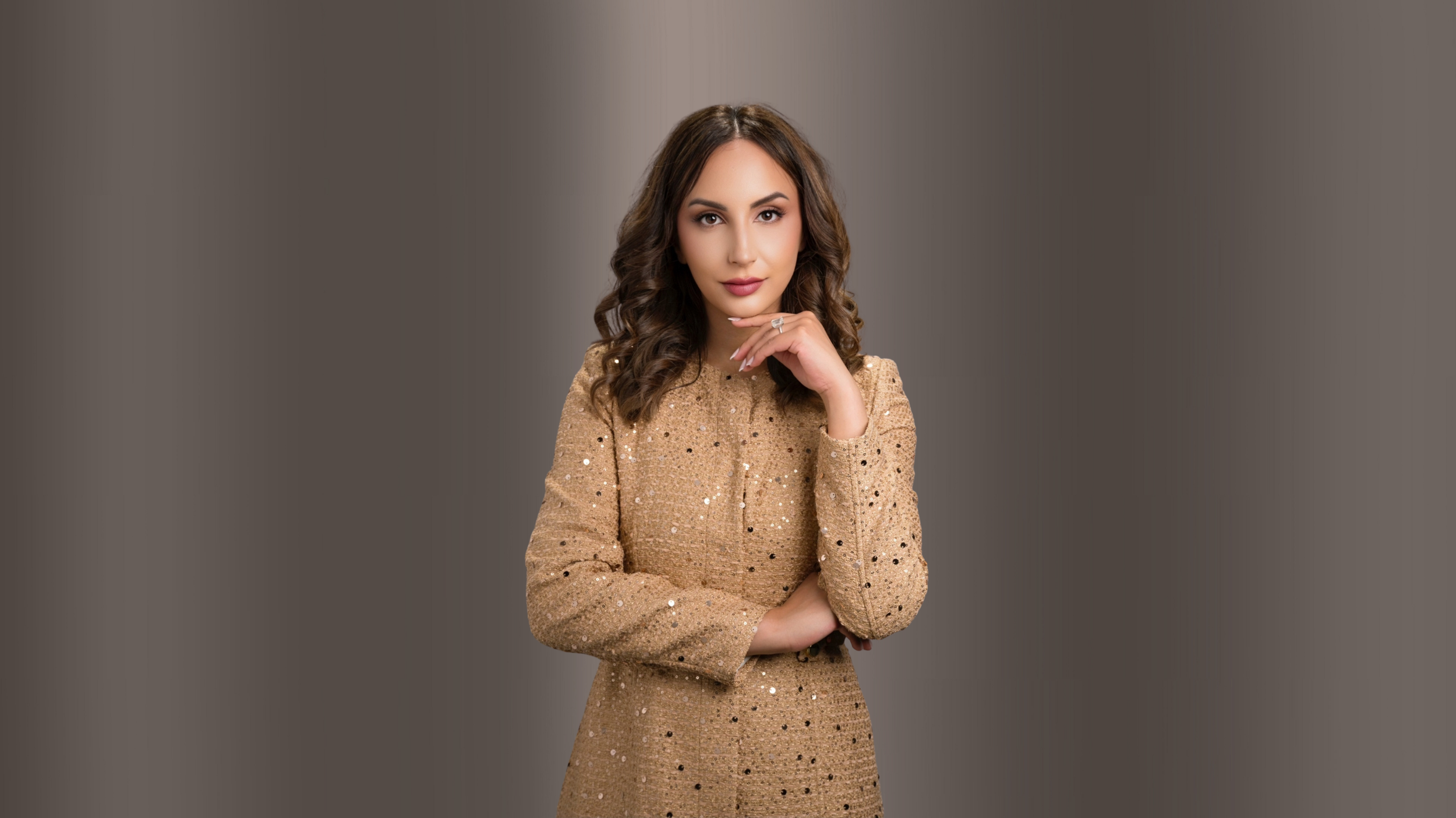
DOCTOR. FOUNDER. BUILDER OF SYSTEMS.
BUILDING SPACES OF CARE, FROM MEDICAL CLINICS AND REFUGEE HOUSING CENTERS TO HEALTH AND WELLNESS INNOVATION.
ADVANCING WOMEN’S HEALTH WHILE PROTECTING HUMAN CONNECTION IN AN AI-DRIVEN WORLD.

Dr. Navnet is a doctor turned founder, known for building spaces of care across healthcare, hospitality, and humanitarian crisis response, from medical and dental clinics to medspas, hotels, large scale refugee housing centres, onsite refugee clinics, and online skincare platforms.
A UK trained physician with more than a decade of medical experience across the UK and Norway, her background spans general practice, hospital medicine, dermatology, aesthetic medicine, migration health, public health, and women’s health. She served on the frontline during the COVID 19 pandemic and worked extensively in migration health, establishing refugee clinics in collaboration with government departments and delivering medical services to displaced communities.
Across crisis settings, primary care, and aesthetic medicine, women’s health has remained central to her work. She has treated women navigating pregnancy, hormonal conditions, chronic disease, trauma, and displacement, witnessing firsthand how systemic gaps disproportionately affect women and girls.
Deeply aware of global healthcare inequality, she remains actively involved with the Red Cross, providing medical care to migrant and refugee women often excluded from traditional systems.
As technology accelerates, she remains committed to protecting human connection at the core of healthcare in an AI and social media driven world.
Her mission is to advance women’s health at scale, driven by a simple truth: when women are healthy, families thrive, and the world is stronger.
MEET DR. NAVNET VIR RANDHAWA
DR. NAVNET EXPLAINS
Dr. Navnet leverages social media as a vehicle for responsible medical communication. Through TikTok and Instagram, she challenges viral misinformation, corrects harmful myths, and shares evidence-based health information grounded in clinical practice.
In an era where algorithms often amplify sensationalism over science, women’s health has become particularly vulnerable to distortion. This contributes to widespread confusion and undermines informed decision-making.
Her work is driven by a simple principle: informed women are empowered women. By strengthening health literacy, she equips women and girls with the knowledge necessary to advocate for themselves and demand appropriate care.